 Live: 3 trận đang diễn ra

Sustainable Home Gardening Tips Start With the Soil
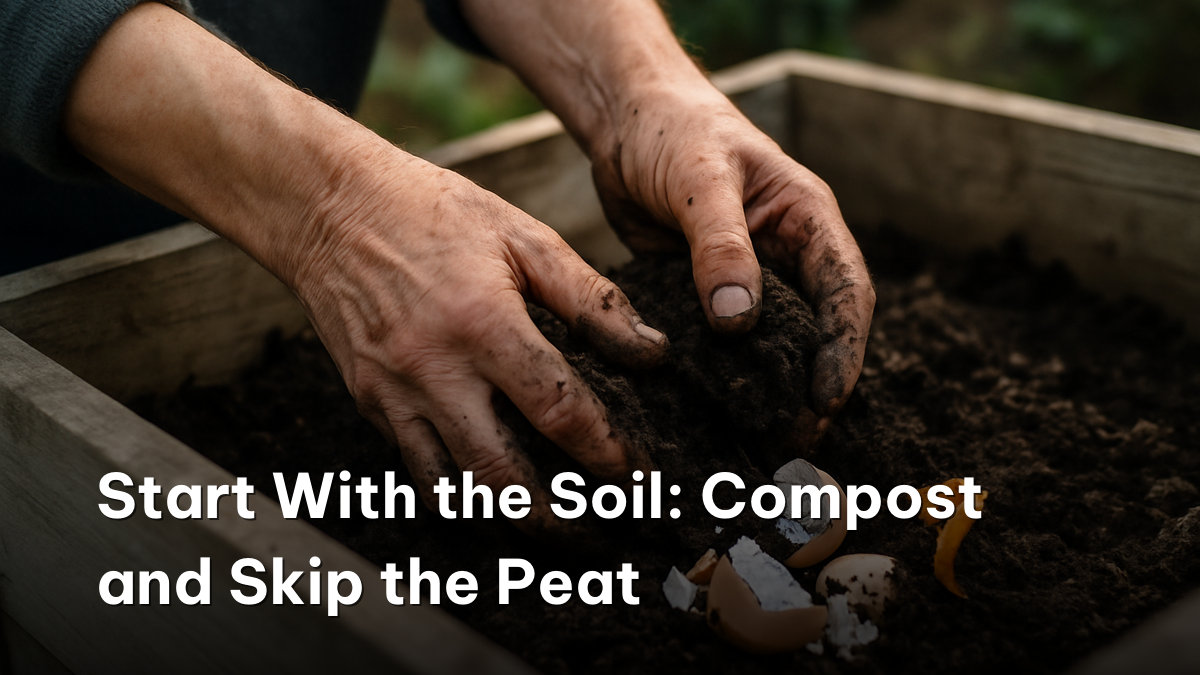
Here’s the truth most gardening books bury in the back: a great garden starts in the dirt, not the seed packet. If your soil is alive, half your work disappears. The best sustainable home gardening tips all trace back to that one idea.
Start a compost pile. Every banana peel, coffee ground and handful of grass clippings you toss in the bin is one less thing rotting in a landfill, where buried organic waste generates methane. Pile it in a corner of the garden instead and that same waste turns into dark, crumbly compost that feeds your beds and rebuilds soil structure. I keep a battered metal pail by the sink, and it fills faster than you’d think.
While you’re at it, check the bag of compost you buy. Peat-based mixes come at a steep hidden cost: extracting peat releases carbon stored for thousands of years and tears apart wetland ecosystems that can’t be rebuilt in a lifetime. Peat-free blends made from coir, composted bark or green waste do the same job for your seedlings. Make the switch and you’ve quietly removed your garden from a destructive supply chain.
Use Water Like It’s Precious
Most home gardeners water the wrong way and waste half of it. Overhead sprinklers fling water into the air, where a chunk evaporates before it ever touches a root. Switch to drip irrigation or a soaker hose snaked along the base of your plants, and the water goes straight where it’s needed. The difference on your water bill is real.
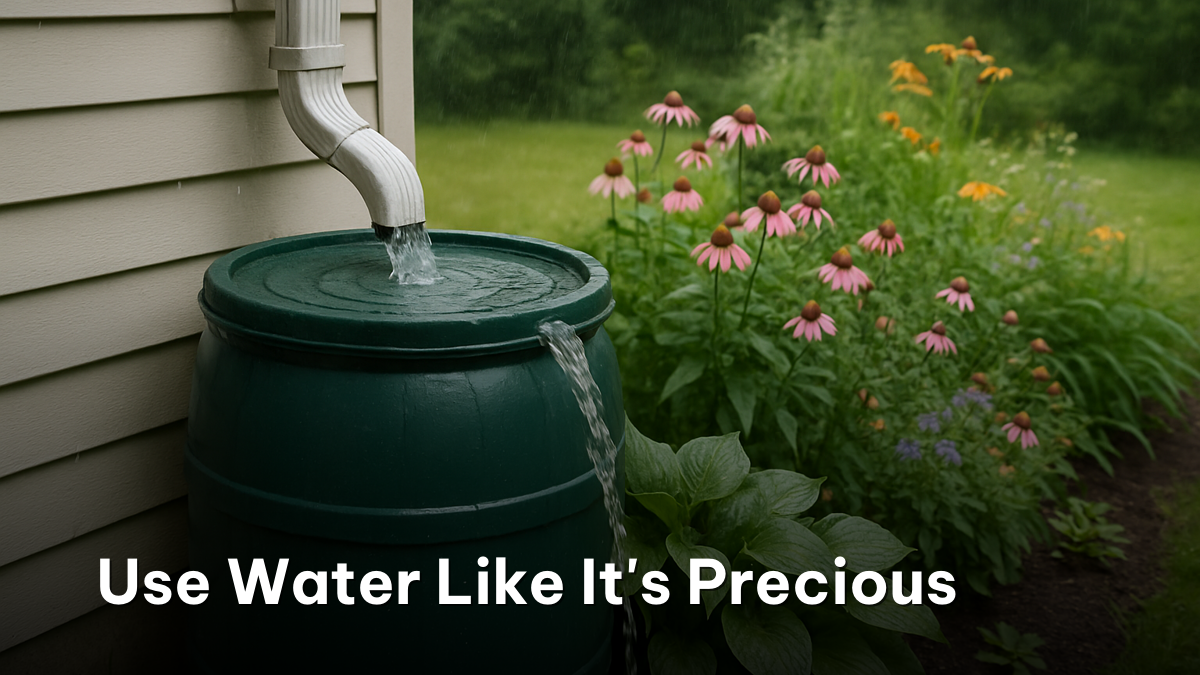
Then catch what falls for free. A single rain barrel sitting under a downspout can capture a surprising volume from one good storm, and that water is better than what comes out the tap: no chlorine, no dissolved salts, just what plants actually prefer. Mine fills in about ten minutes of steady rain.
The other half of the equation is keeping water in the ground once it’s there. Mulch is the unsung hero of any water-wise garden. A few inches of straw, wood chips or leaf mould over your beds slows evaporation, smothers weeds and keeps roots cool through a heatwave. Lay it down once and you’ll water noticeably less all summer.
Plant Native and Pollinator-Friendly Species
Exotic ornamentals look impressive on the nursery shelf, then demand constant babysitting: extra water, fertiliser, the occasional rescue spray. Native plants ask for almost none of that. They evolved with your local rainfall and soil, so they shrug off conditions that kill fussier imports. Less input, less fuss, fewer dead plants come August.
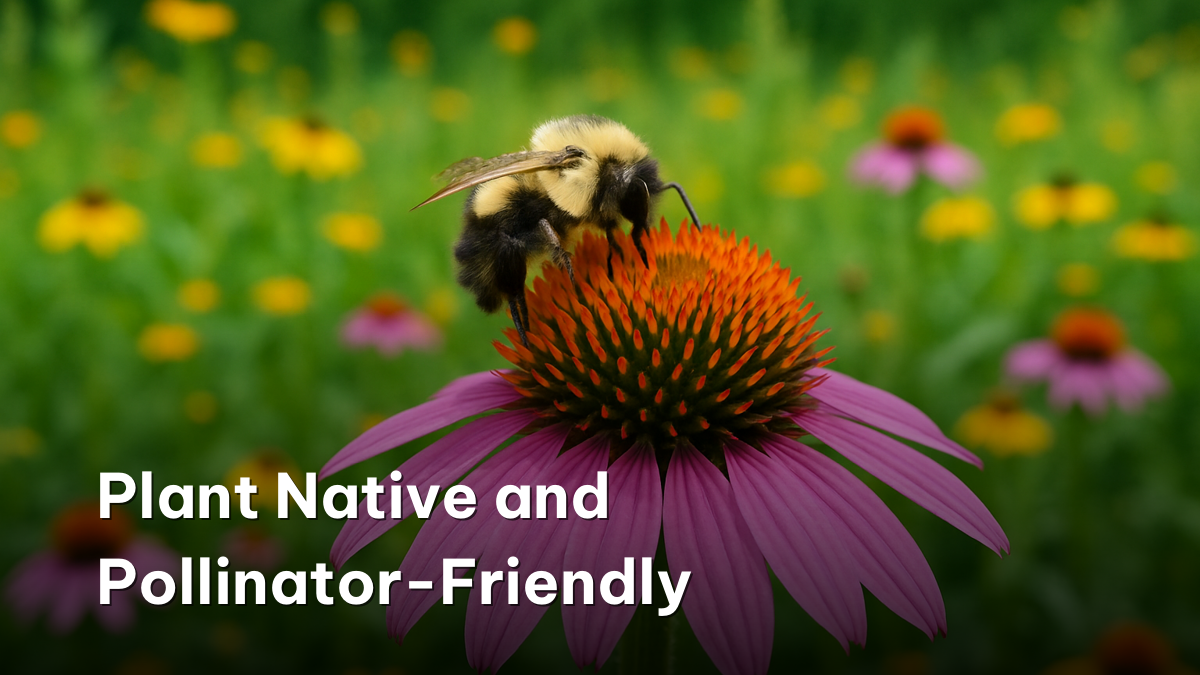
Natives also feed the insects that make food possible. Bees and butterflies pollinate a huge share of the crops we eat, and they need flowers blooming across the whole season, not just one big spring flush. Plant a mix that flowers from early spring into autumn, and you’ll keep pollinators fed for months.
A few practical picks:
- Early bloomers like crocus and native willow for waking bees
- Summer workhorses such as coneflower, bee balm and lavender
- Late-season nectar from asters, sedum and goldenrod
Stand by a patch like this on a warm afternoon and the hum tells you it’s working.
Ditch the Chemicals: Natural Pest Control
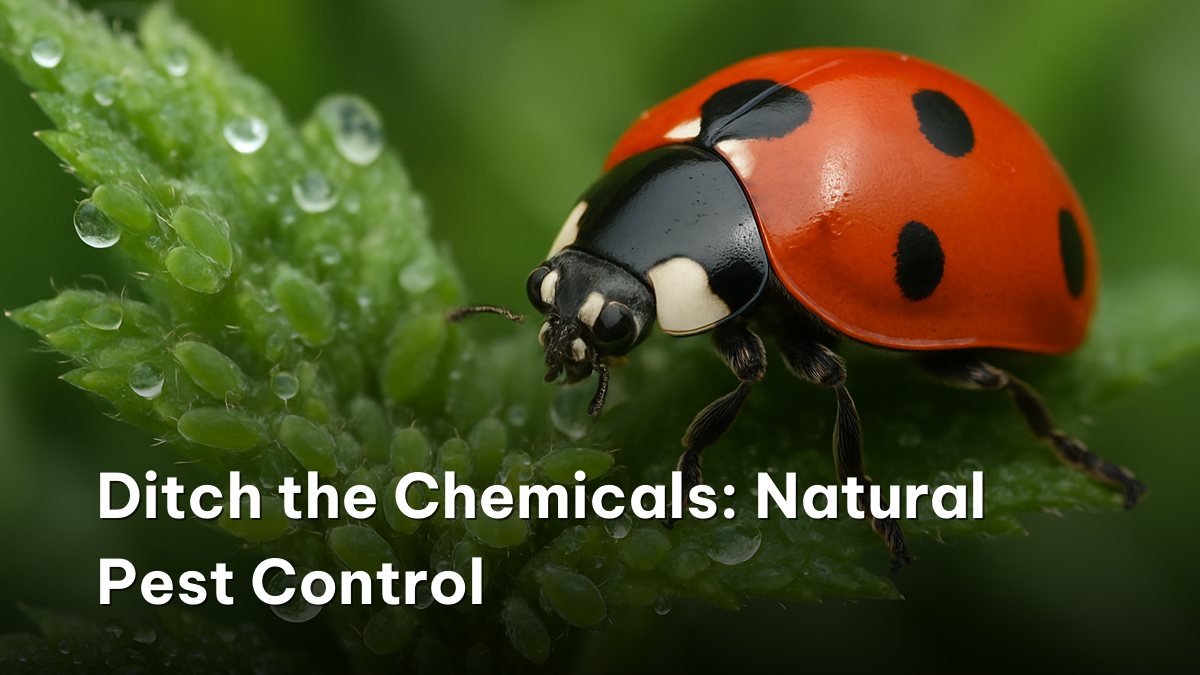
Reaching for the insecticide is the easy reflex, and it usually backfires. Broad sprays kill the good bugs along with the bad, leaving you with a sterile garden that pests recolonise first. The smarter, more sustainable route is to recruit an army that works for free.
Ladybirds and lacewings devour aphids by the hundred. Invite them in by planting yarrow, dill and fennel, and resist the urge to spray the moment you spot a pest. A little patience lets the predators catch up. Within a season, the balance tips in your favour.
Companion planting stacks the deck further. Marigolds near tomatoes, basil tucked among the peppers, alliums edging the carrots: these pairings confuse pests and draw in helpful insects. None of it is foolproof, and you’ll still lose a leaf here and there. But a garden buzzing with diverse life is far tougher than one kept clean by chemicals.
Close the Loop: Saving Seeds and Reusing Materials
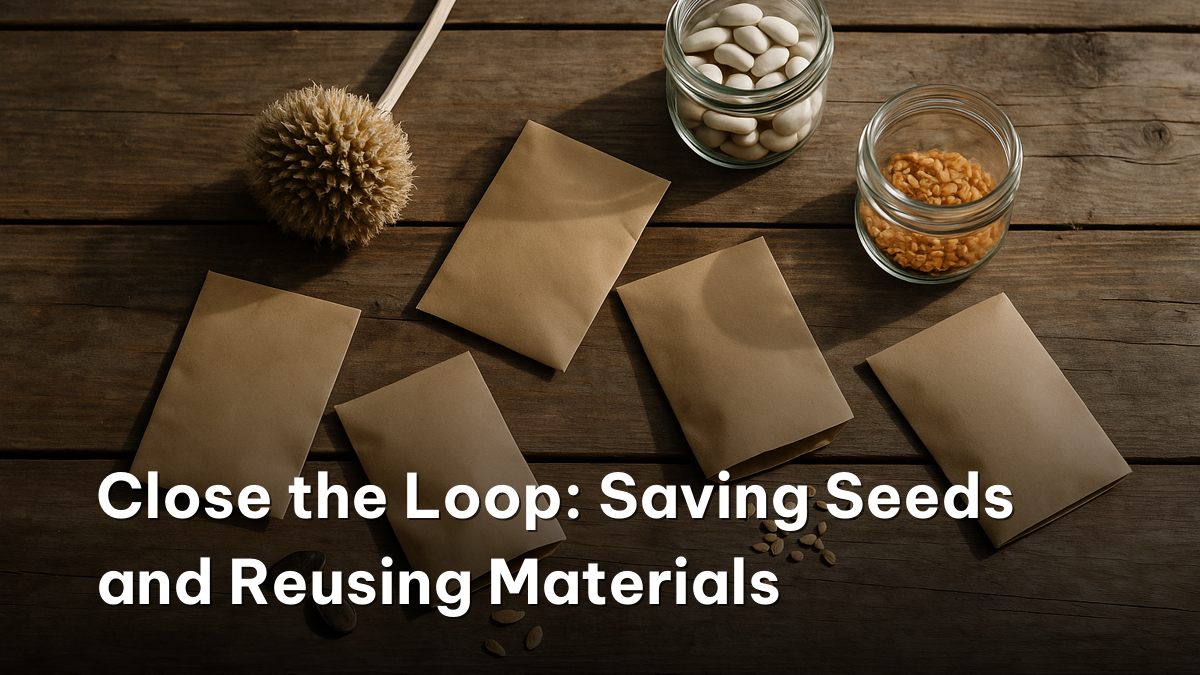
A truly sustainable garden wastes almost nothing, and the savings add up fast. Start with seed saving. Let a few open-pollinated or heirloom plants go to seed at the end of the season, collect and dry the seed, and you’ve got next year’s crop for free. You also keep old varieties alive that the big catalogues have dropped, and you skip the foil packets headed for the bin.
Look around before you buy anything new. Yoghurt tubs become seedling pots. A broken pallet turns into a compost bay. Cardboard smothers weeds under a fresh bed. The garden has a way of using almost everything if you let it.
The goal is a loop: kitchen scraps become compost, compost feeds plants, plants feed you and the pollinators, spent plants and saved seeds start the cycle again. Once it’s running, very little leaves the property and even less needs buying.
Rethink the Lawn and Grow Your Own Food
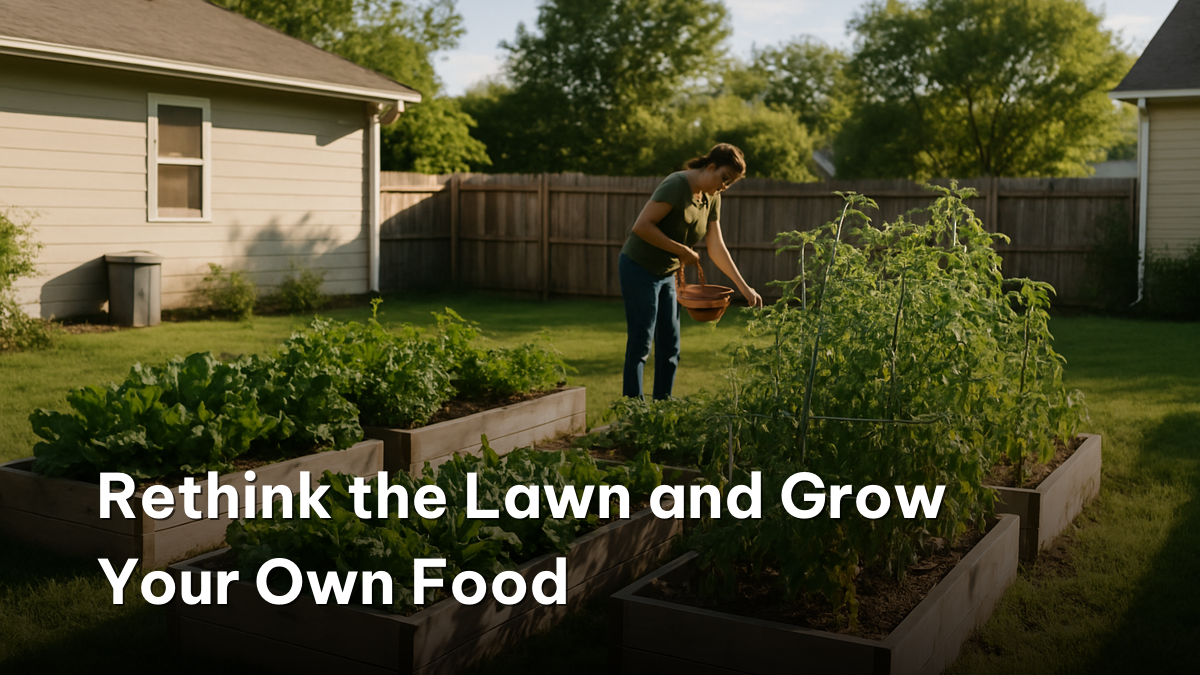
The classic green lawn is a resource hog: endless mowing, thirsty roots, regular doses of fertiliser, all for a surface you mostly just look at. Hand part of it back to something useful. Swap a strip for low groundcovers, let a corner grow into a mini meadow, or dig a vegetable bed where the mower used to run. Every square metre converted cuts your watering, fuel and fertiliser at once.
Growing your own food is where these sustainable home gardening tips all come together. A tomato picked off your own vine never sat in a refrigerated truck or a plastic clamshell, so its carbon footprint is a fraction of the supermarket version. Even a few raised beds and a row of pots can cover a real chunk of your salads and herbs through the warm months.
You don’t have to convert everything overnight. Start with one bed this season, see how it feels, and let the productive space grow as your confidence does. That’s how nearly every food gardener I know got started.