 Live: 3 trận đang diễn ra
What ‘Dark Horse’ Really Means at a 48-Team World Cup
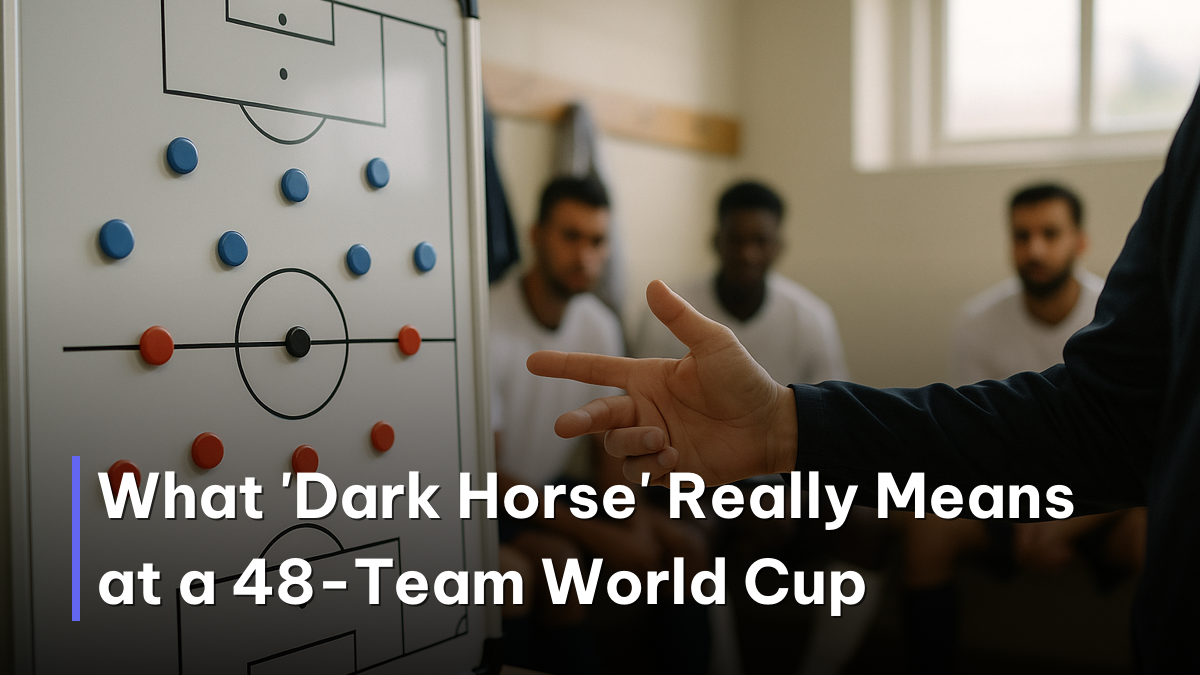
The world cup 2026 group stage dark horse teams are not the obvious giants — they’re the sides nobody books for the semis in March, then everybody pretends they backed in July. A dark horse is a nation with the squad depth, form, and a kind draw to go deeper than its ranking says it should.
This edition rewrites the math. The 2026 finals expand to 48 teams split into 12 groups of four, the first tournament ever built that way. You can read the structure on the FIFA World Cup 2026 page if you want the full bracket.
Here’s the part bettors love. The top two from each group, plus the eight best third-placed sides, advance — 32 nations into a brand-new round of 32. Finishing third no longer means flying home.
So the bar for a Cinderella run drops. A team can stumble, draw twice, lose once, and still survive into knockout football where one hot night changes everything.
Why the 2026 Format Hands Underdogs a Bigger Opening

More slots mean more genuine contenders, and that’s the heart of why the world cup 2026 group stage dark horse teams have never had a better stage. Africa jumps to nine direct berths plus a play-off shot, up from five at Qatar 2022.
Asia gets eight direct places. Concacaf gets six. That widens the pool of less-established sides who can build belief through a forgiving group rather than a brutal three-game sprint.
The schedule itself shifts the odds too. With 104 matches versus 64 last time, rotation and fitness decide tight games. A deep but lower-profile roster can suddenly out-last a star-heavy favourite running on fumes.
Then there’s geography. The tournament is co-hosted by the United States, Canada and Mexico across 16 venues — the first three-nation host setup. June-July heat in Dallas, humidity in Miami, and the thin air of Mexico City all chip away at the gap between elite and outsider.
If you’re sketching bracket predictions, start with our related guide to reading group draws before you lock anything in.
African Contenders Riding Morocco’s 2022 Blueprint
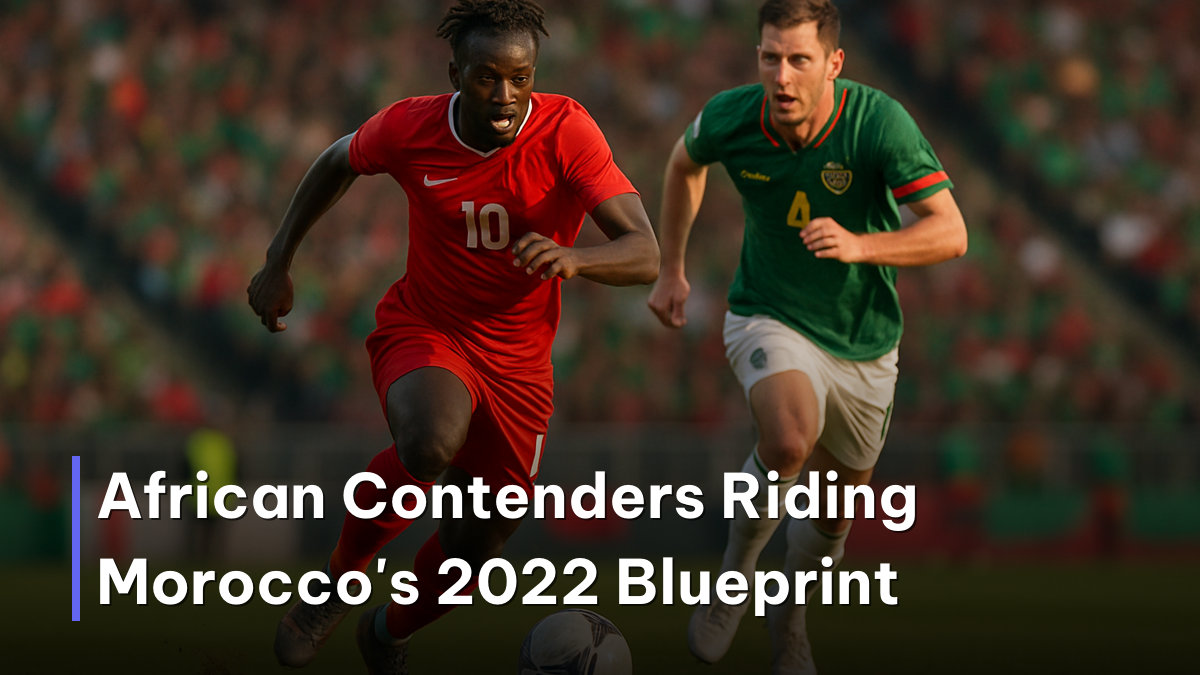
Morocco changed the conversation. They reached the Qatar 2022 semi-finals — the first African team to do it — and turned organised, fearless defending into a template every continent now copies.
That run wasn’t luck. It was a back line that conceded almost nothing, a goalkeeper in the form of his life, and a midfield that strangled France and Spain. Expect Morocco back among the world cup 2026 group stage dark horse teams, only this time with experience baked in.
Senegal sit right beside them. Champions of the 2021 and 2023 Africa Cup of Nations, they pair physicality with pace and a goalkeeper-and-defence spine that travels well to American summer pitches.
With nine African berths on offer, sides like Nigeria, Ivory Coast and Egypt also get room to breathe. One soft third-place finish can drop any of them into the knockouts, where their athleticism becomes a real weapon against tiring favourites.
Asian and Concacaf Sides Primed to Surprise
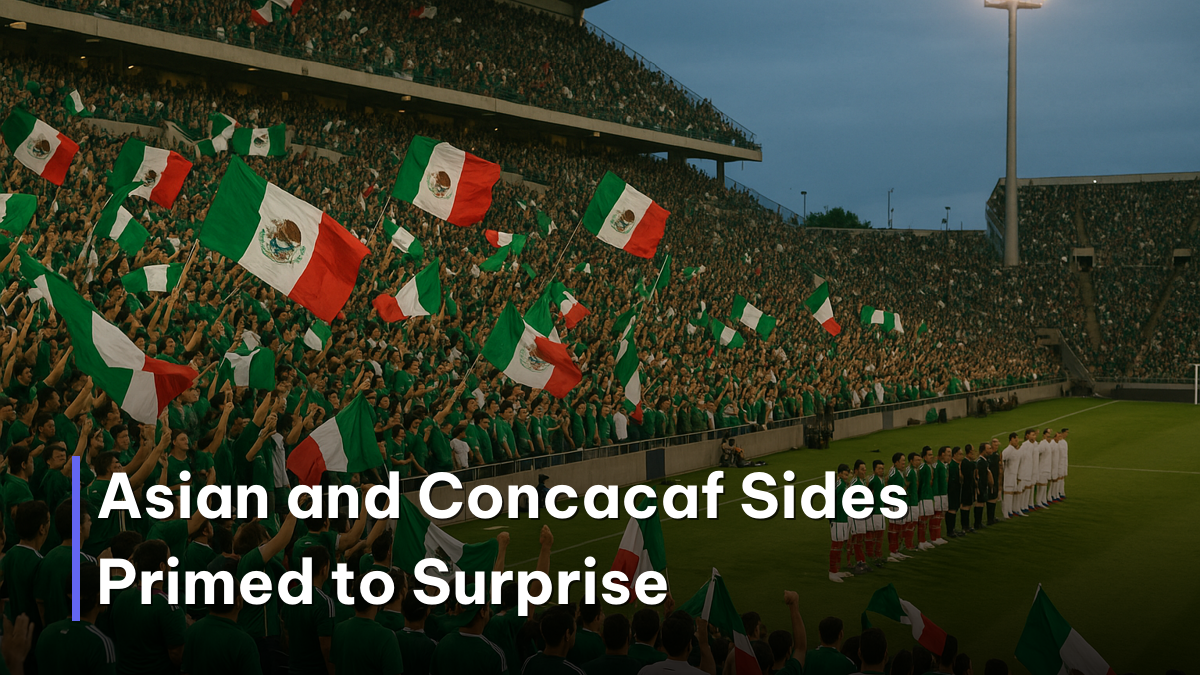
Japan beat Germany and Spain at Qatar 2022, then lost a coin-flip shootout to Croatia. Their quick, European-based core has only matured since, and eight Asian slots give them a clean lane to the round of 32.
The Samurai Blue press hard, transition fast, and rarely look overawed. Put them in a manageable group and they’re exactly the kind of team that ruins a seeded favourite’s afternoon.
Closer to the host nations, Concacaf gets six places, and home-continent conditions matter. The USMNT’s young core — players raised in the Champions League and the Premier League — will have crowds, climate and short travel on their side.
Don’t sleep on Mexico either, even as co-hosts. Altitude in Mexico City and Guadalajara is a genuine equaliser, and packed stadiums turn nervy knockout ties into something the favourites simply don’t enjoy playing in.
Players and Young Squads Who Could Spark a Deep Run

Tournaments get remembered by faces, and the world cup 2026 group stage dark horse teams usually have one breakout name carrying the load. Think a 22-year-old winger who terrifies full-backs for six weeks.
Uruguay are the classic case. A new generation around the likes of their fast-rising attackers blends with a culture that has reached two of the last few semi-final conversations. South American grit in American heat is a nasty combination.
Senegal’s pace on the flanks, Japan’s busy attacking midfielders, and the United States’ Europe-tested youngsters all fit the same profile: athletic, hungry, and unbothered by reputation.
What separates a quarter-final run from an early exit is the bench. Across 104 matches, the squad that can rotate without dropping off is the one still standing in week four.
How to Spot the Next Cinderella Before the Group Stage Starts

Backing the right world cup 2026 group stage dark horse teams is part homework, part nerve. Start with the draw — a third-place finish now survives, so a team with one beatable group rival is already halfway to the knockouts.
Check qualifying form, not just the ranking. A side that conceded few goals on the road usually carries that resilience into June, and clean sheets win shootouts.
Look at the calendar and the climate. Teams used to heat, or built around a deep, fit squad, gain ground as 104 matches grind down the glamour names. Altitude venues add another quiet edge.
Finally, trust momentum. Morocco’s 2022 surge, Senegal’s back-to-back AFCON titles, Japan’s giant-killing — these aren’t flukes, they’re patterns. Find the team peaking at the right moment, and you’ve found your Cinderella before the group stage even kicks off.